EcoCycle’s onshore solution for Australia’s mining sector
Mercury has long occupied a complicated place in Australia’s mining history. From gold extraction and mineral processing to contaminated soils, legacy equipment and historical waste streams, mercury continues to present itself as a highly regulated material requiring specialist management.
While modern mining practices in Australia have banned its use, mercury remains embedded in historical operations and infrastructure as well as a by-product within the oil and gas extraction process. Managing it safely and permanently has become increasingly important as regulatory expectations tighten and global scrutiny increases under the Minamata Convention on Mercury.
For the mining sector, the question is no longer whether mercury must be addressed, but how and where it can be treated without exporting risk offshore or shifting long term liability elsewhere.
For EcoCycle, this challenge is familiar territory.
A specialist mercury recycler with national credentials
Founded in 1996, EcoCycle is an Australian owned recycling company with deep experience in the management of highly regulated and hazardous materials. The business established its foundations in the specialist recycling of mercury, silver and lighting, before expanding into batteries and electronic waste through its related operations.
Despite that expansion, mercury recycling has remained a core capability.
EcoCycle operates under stringent environmental approvals and regulatory oversight. Their licensing reflects both the complexity of mercury recycling and the level of compliance required to manage it safely across jurisdictions.
In 2026, EcoCycle marks its 30-year anniversary, a milestone that reflects sustained investment in domestic infrastructure, technical expertise and long-term environmental responsibility. Few operators in Australia can point to this depth of continuous experience in such a tightly regulated field.
That experience has now been translated into a significant step forward for mercury management in WA.
Closing a long standing capability gap in WA
WA is home to a substantial share of Australia’s mining activity, yet historically, options for treating elemental mercury within the state have been limited. In many cases, mercury waste required transport interstate or exportation overseas for processing or storage, increasing regulatory burden, cost and safety risk.
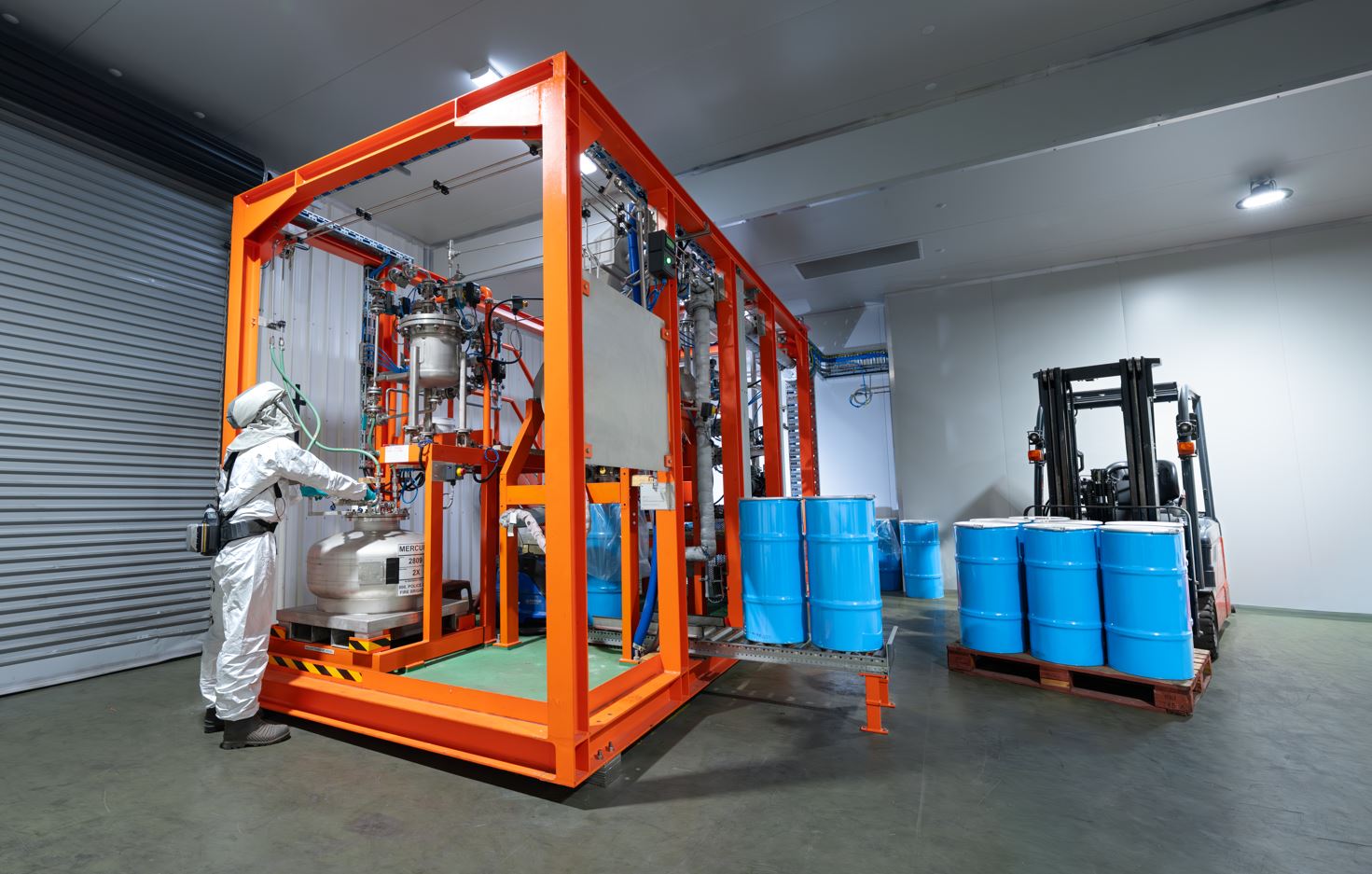
EcoCycle has addressed this gap through the installation of a purpose-built mercury conversion plant at its WA facility. The plant is the only mercury stabilisation facility of its kind currently operating in Australia, providing WA based mining and industrial operators with access to onshore mercury treatment for the first time.
The facility enables the controlled conversion of elemental mercury into mercury sulphide – HgS, also referred to as Cinnabar, a chemically stable and insoluble compound suitable for secure long term disposal. This end state is widely recognised as international best practice and aligns with the intent of the Minamata Convention, which seeks to permanently remove mercury from circulation and prevent future environmental release.
By enabling local treatment, EcoCycle significantly reduces the need for long distance transport of hazardous material while delivering a domestic, auditable and compliant solution tailored to the needs of the mining sector.
From containment to permanent risk reduction
Mercury recycling is not about short term containment. It is about removing risk permanently.
At EcoCycle’s WA facility, elemental mercury undergoes a controlled chemical conversion process that binds the mercury into mercury sulphide. Once stabilised in this form, the material cannot volatilise or re-enter the environment, effectively closing the loop on mercury waste.
Processing is undertaken in a tightly controlled environment, supported by strict safety protocols designed to protect workers, surrounding communities and the environment. Each stage of the process is documented, providing full traceability and chain of custody records, an increasingly important requirement for mining companies operating under heightened Environmentally Sound Management (ESM) scrutiny.
ESM is the term used to describe the framework of policies, technologies and practices designed to handle mercury-containing waste throughout its entire life cycle, from generation to final disposal, to prevent harm to human health and the environment. It aligns with the Minamata Convention on Mercury and Basel Convention guidelines, focusing on minimising waste, reducing toxicity and safe recovery
The result is a definitive end of life outcome for mercury, rather than storage, stockpiling or the transfer of liability.
Supporting compliance, ESG/ESM and mine closure obligations
For mining operators, responsible mercury management now sits at the intersection of regulation, ESG/ESM performance and long-term site stewardship. Environmental approvals, corporate reporting frameworks and community expectations all demand transparent and defensible outcomes.
EcoCycle works closely with mining companies, contractors and government bodies to support:
- Compliance with state and federal environmental regulations
- Reduced transport and handling risk
- Clear chain of custody and traceability documentation
- Alignment with sustainability reporting and mine closure requirements
By keeping mercury treatment onshore and under Australian regulatory oversight, EcoCycle also contributes to broader objectives around sovereign capability and responsible hazardous waste management.
A specialist role in Australia’s circular economy
While mercury recycling is a highly specialised discipline, it forms part of EcoCycle’s wider role within Australia’s circular economy. As part of the EcoCycle Group, the business focuses on materials that are difficult, hazardous or highly regulated, ensuring they are managed safely while removing long term environmental risk.
For the mining sector, this capability is particularly relevant as legacy materials continue to surface during rehabilitation programs, site upgrades and closure activities, often decades after primary operations have ceased. Mercury contaminated waste is also generated in the oil and gas sector, particularly through gas processing and treatment systems, where concentrated mercury residues require specialist handling and compliant end of life solutions.
As Australia continues to strengthen its approach to hazardous waste management, and as international frameworks such as Minamata shape domestic policy, the importance of technically capable, onshore recycling solutions will only grow.
EcoCycle’s investment in Australia’s only mercury stabilisation plant reflects a clear focus on domestic capability, regulatory certainty and permanent risk reduction. With specialist infrastructure in place and a nationally licensed framework supporting its operations, EcoCycle is positioned to support the mining sector in addressing one of its most complex legacy materials safely, permanently and responsibly.
SOURCE:
ecocycle.com.au
1300 32 62 92