In modern mining operations, liquid storage is everywhere, from diesel and lubricants to process chemicals and wastewater. While the primary containers hold these materials most of the time, the unexpected is always around the corner: corrosion, overfilling, human error or mechanical failure can all lead to leaks or spills that quickly become environmental and compliance nightmares. That’s where secondary containment bunds become not just good practice, but essential infrastructure.
What Is Secondary Containment?
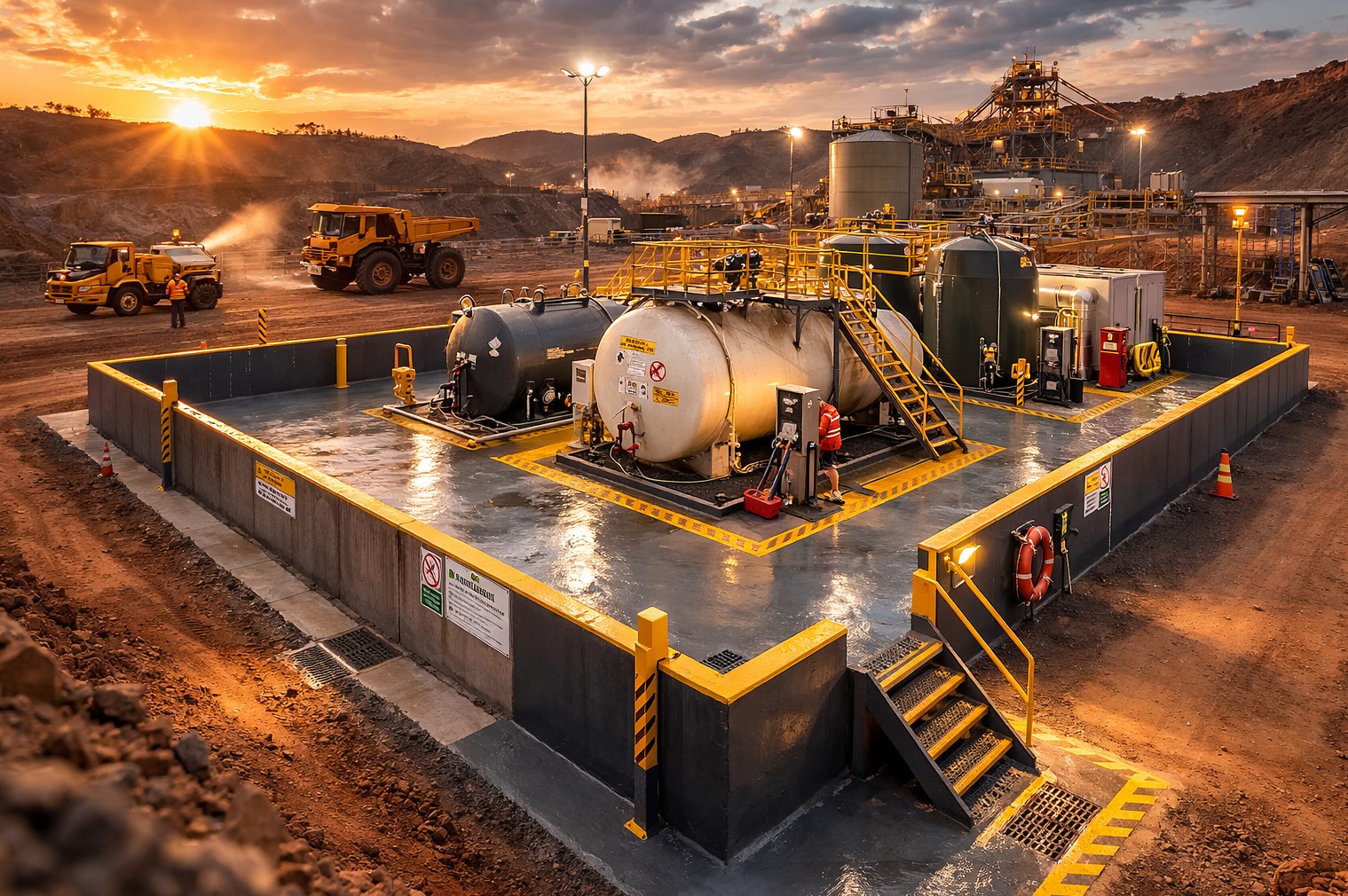
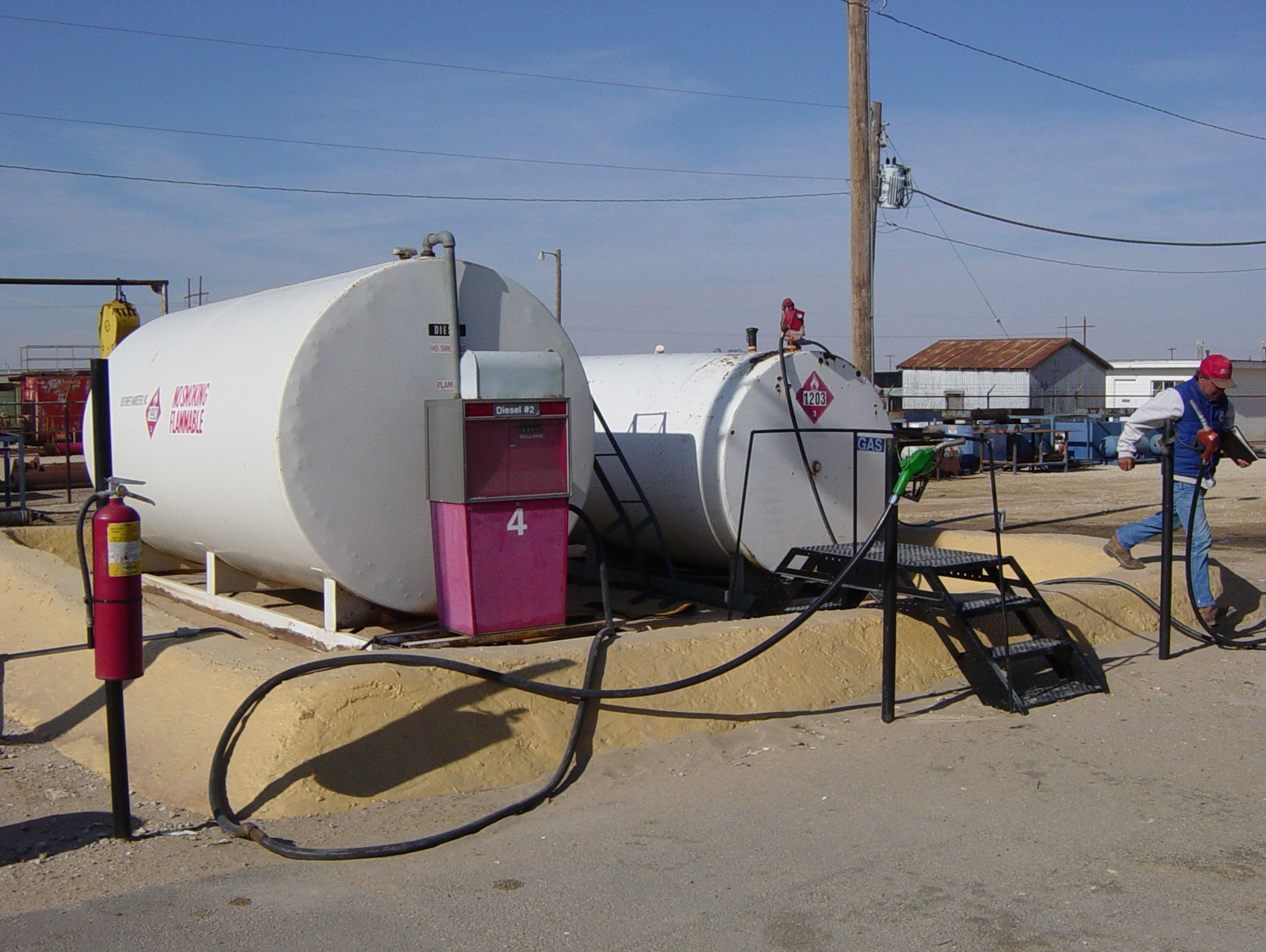
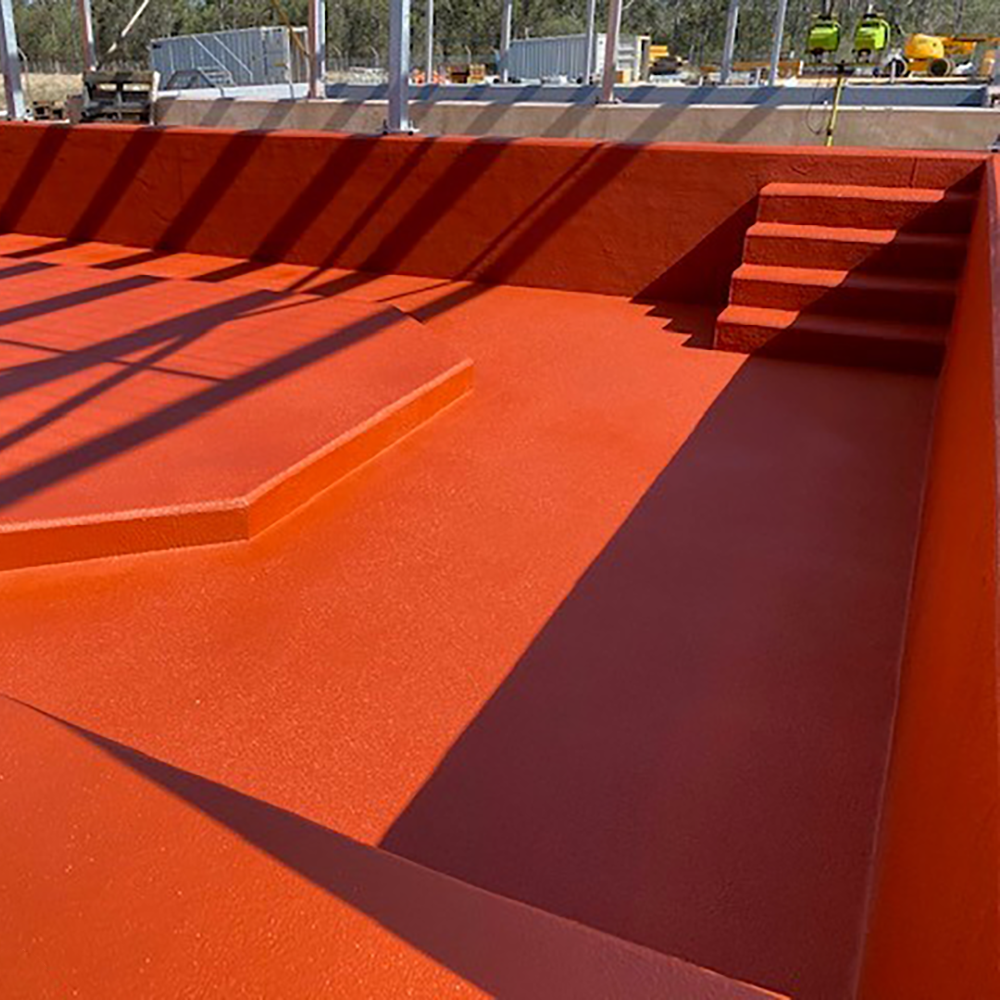
Secondary containment refers to systems that catch and hold leaks or spills from the primary container before liquids escape into the environment. Most commonly in mining this takes the form of bunds, raised, impermeable walls or basins built around tanks, vessels and other equipment that store or handle hazardous liquids. If the primary container fails, the bund holds the spill within a controlled area, giving operators time to respond and contain the situation without widespread contamination.
Importantly, these containment systems are more than simple ditches. They are engineered structures, sized and sealed to reliably perform even when they’re not in active use. Regulations often stipulate that a bund’s capacity should hold at least 110% of the largest container’s volume or an equivalent regulatory figure for multiple vessels, to account for rainwater or firefighting water as well as spilled product.
How Bunds Protect Mining Operations
For mining, the stakes around spills are high. A release that isn’t immediately contained can contaminate soil, groundwater and surface water; trigger expensive remediation; and drag a site into regulatory enforcement actions or fines. Secondary containment does three key things:
- Environmental Protection
Bunds act as a barrier between hazardous liquids and the surrounding ecosystem. If a primary tank leaks, the bund stops the liquid from spreading into soil and waterways, limiting environmental damage and preserving community trust. - Risk Mitigation and Compliance
Secondary containment is an important piece of most environmental and dangerous goods regulations. Regulators expect mine sites to demonstrate that they have effective spill containment measures, not just primary tanks, but back-up systems that stop a spill from becoming a pollution event. - Operational Continuity
An uncontained spill can shut down operations while cleanup and regulatory reporting take place. Well-designed and maintained bunds keep leaks in check, meaning crews can respond quickly and facilities can remain productive.
Material Matters – Why Lining and Protection Are Essential
Even the best-built bund won’t do its job if the material used to contain the spill fails. Common bund substrates like concrete or earth may be structurally sound, but they are rarely impermeable or chemically resistant without a protective lining. Left unprotected, porous surfaces can allow liquid to penetrate and escape, or degrade under chemical attack and weather cycles.
That’s where specialised coatings play a vital role. A high-performance lining provides a seamless, impermeable barrier that:
- Prevents leaks from reaching soil or groundwater
- Resists chemical attack from fuels, acids, caustics and processed fluids
- Handles thermal expansion, contraction, and movement without cracking
- Provides a smooth surface that’s easy to inspect and clean
Proven Coating Solutions for Secondary Containment
Rhino Linings Australasia supplies several coating systems that bring durability and chemical resistance to secondary containment applications:
- RhinoChem 2170 – A chemical-resistant lining engineered for heavy industrial and chemical exposure, ideal for bund floors and walls where aggressive liquids are stored or handled.
- Rhino HiChem 1170 – Specifically formulated for high chemical resistance, making it an excellent choice for facilities handling acids, alkalis or complex chemical blends.
- Rhino PP1195 – A tough polyurea coating with excellent adhesion and flexibility, suited to concrete bund infrastructure that needs a resilient, long-life protective barrier.
- Rhino Extreme 1150FR(A) – Combines chemical resistance with fire-resistant properties, useful where combustible liquids are stored and fire risk is present.
These products are designed to protect concrete, earth or steel containment structures and help operators meet compliance expectations while extending the service life of critical infrastructure.
Design and Inspection
Secondary containment must be sized and designed appropriately. As mentioned, regulatory frameworks often reference capacity rules like 110% containment, and guidelines emphasise that bund areas should be impermeable, accessible, and free of drains that would lead outside the containment zone. Regular inspection and maintenance ensure the bund remains free of cracks, holes or deterioration that would compromise performance.
A Simple Investment, A Big Impact

Secondary containment bunds might not be the flashiest part of a mining operation, but they are critical infrastructure. When paired with the right protective lining, they are a first line of defence against costly contamination, operational downtime and regulatory issues. For mine sites aiming to protect people, the environment and business outcomes, investing in robust bunding, and coating it properly is simply good risk management.
Discover how Rhino Linings can protect your mining assets. Connect with them at +61 7 5585 7030 or explore solutions at rhinolinings.com.au to fuel smarter, stronger mining operations.