New mining study puts recovery to the test
A pilot study at Redpath Mining’s Dugald River operation has found that a targeted, nutritional intervention can produce measurable improvements in shift workers’ sleep and recovery.
Mining has become increasingly sophisticated in the way it manages equipment systems and procedures. Yet one of the industry’s most important safety controls is still often left to chance: the condition of the person arriving for work.
Fatigue can reduce reaction time, decision-making and situational awareness long before it becomes obvious. For rotating shift workers, the challenge is not simply getting enough hours in bed, but achieving the quality of sleep needed for genuine physical and cognitive recovery.
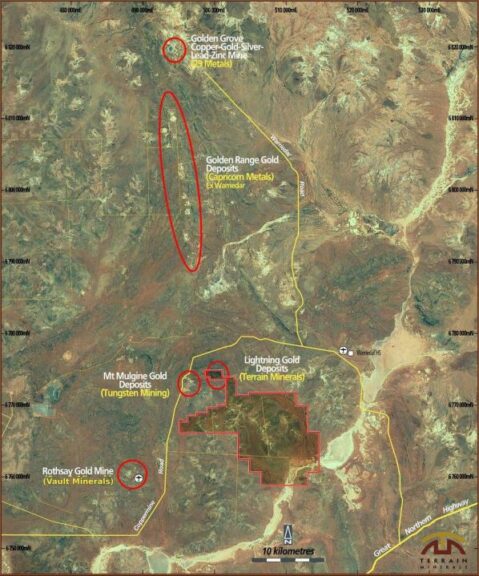
To explore whether recovery could be managed more deliberately, Body Armour partnered with Redpath Mining on a pilot study at the Dugald River copper-zinc operation near Mount Isa in Queensland. Eighteen volunteers across day and night-shift rotations participated over two consecutive swings.
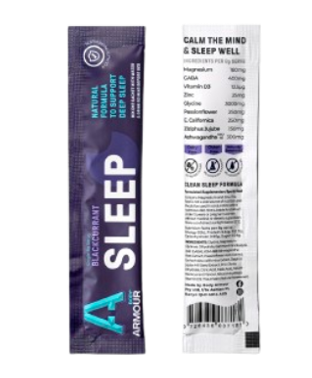
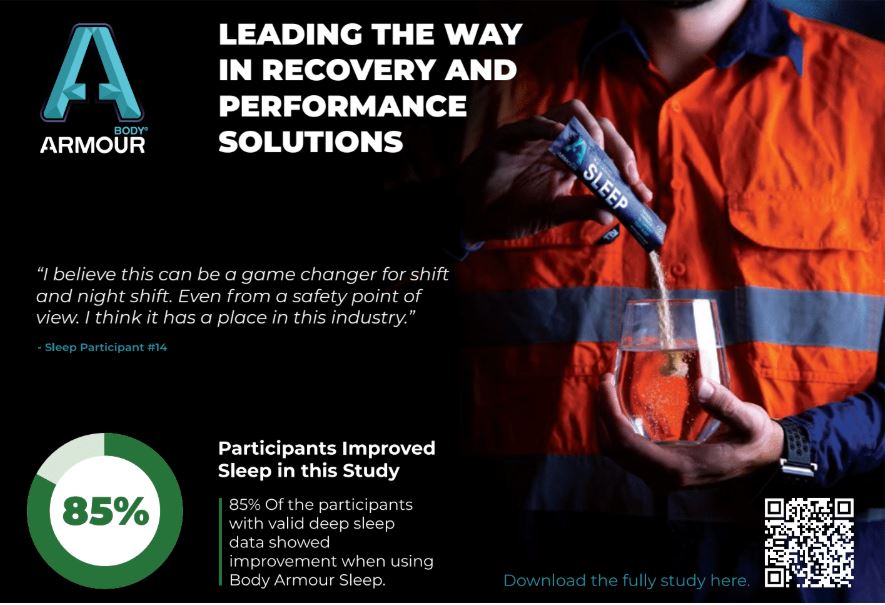
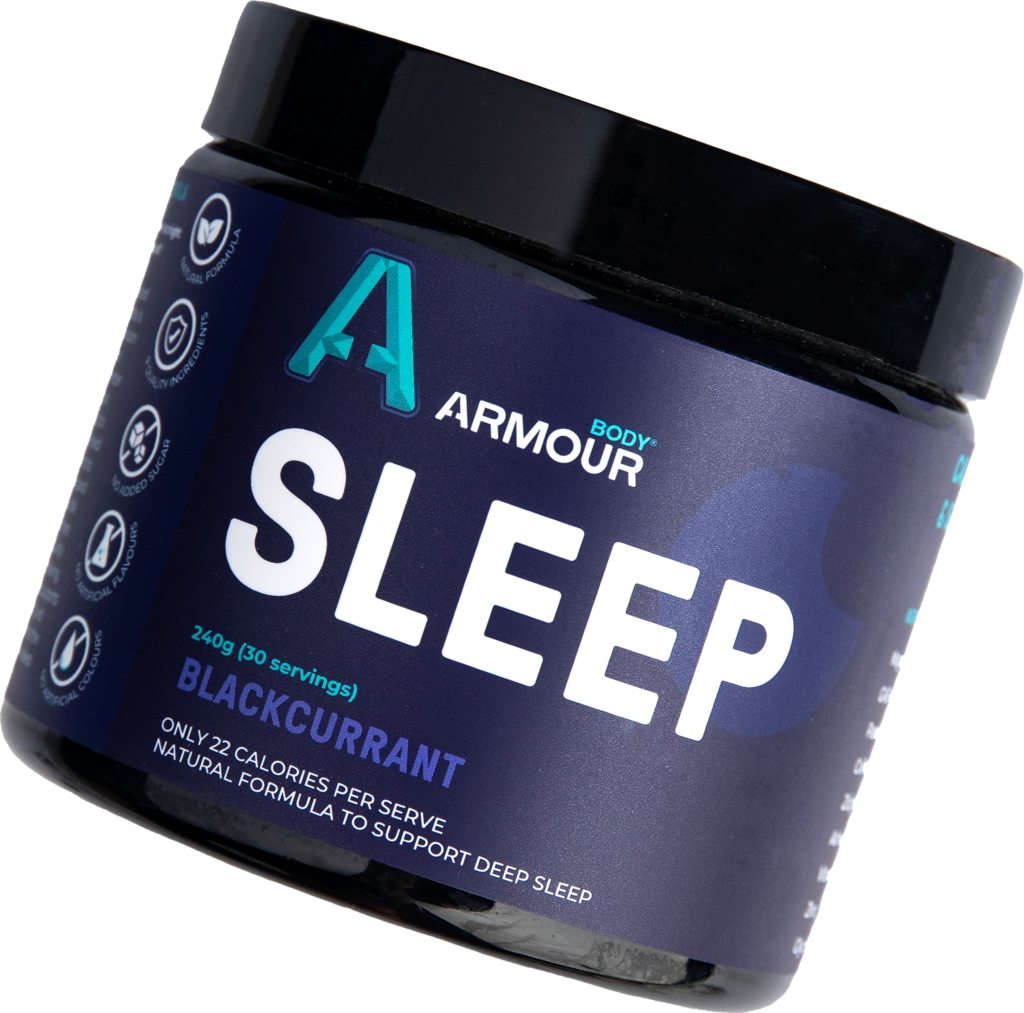
During the first swing, no intervention was introduced, allowing each participant to establish an individual baseline. During the second swing, participants consumed a Body Armour Sleep sachet before bed and used Body Armour Hydration products throughout their shifts. Smartwatches tracked total sleep, deep sleep, REM sleep and overall sleep scores, while daily and post-study surveys captured participants’ own experiences of fatigue and recovery.
Every participant with REM sleep data recorded an improvement during the intervention, with average REM sleep increasing by 26%. Deep sleep also improved across the majority of participants, averaging a 9% increase.
The subjective results reinforced the wearable data. Participants reported a noticeable recovery benefit, including falling asleep faster, feeling less fatigued during shifts or waking more rested. Across the broader survey group, 92% wanted the products made available on site.
The study does not claim that a small pilot can provide a definitive answer. Rather, it shows that recovery-focused interventions can deliver meaningful, measurable signals in a real operational setting and that larger, longer studies are warranted.
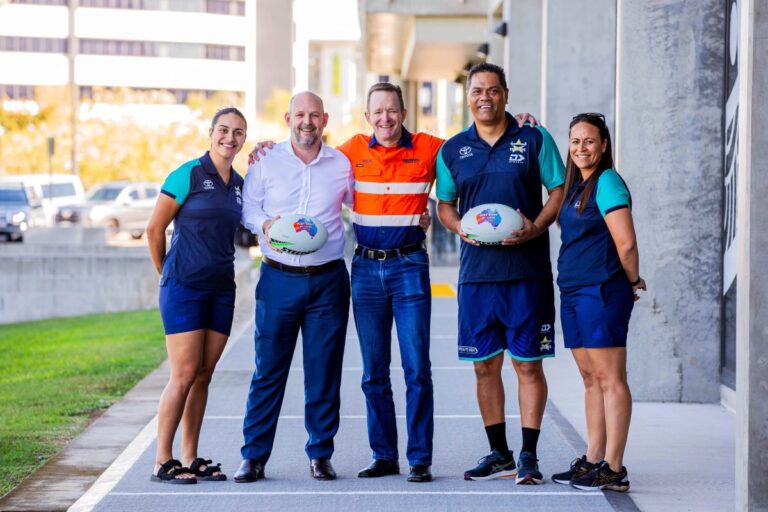
That work has now received industry recognition, with Body Armour and Redpath Mining named finalists in the Health Innovation Award at the Queensland Mining Industry Health and Safety Conference.
For Body Armour director Toni McQuinn, the lesson is simple.
“There is a huge opportunity here,” he said.
“The worker who arrives cognitively and physically recovered is better equipped to make good decisions, respond to risk and perform safely.”
The study represents an early step, but an important one: treating mine workers like industrial athletes and managing recovery with the same intent applied to every other critical control.