Rock masses are inherently complex, and underground mining causes continual change to an already variable environment. Every excavation alters the stress field, can expose new structures and modifies the rock mass conditions.
Appreciating the fundamental factors that drive ground behaviour is essential for designing a geotechnical function that reduces risk and supports safe, efficient extraction.
Five primary factors shape how the rock mass responds to mining: excavation geometry, rock mass strength, structure, stress and blasting. With the excavation geometry, there is a trade-off between gravity, stress and what is practical to mine. The size, shape and orientation of an opening influence how loads are transferred and where failure is most likely to initiate.
Rock mass strength is governed by both the intact rock properties — such as uniaxial compressive strength, tensile strength and triaxial strength — and the presence of minor structures like joints, foliation or bedding. Large-scale structures, including faults and shear zones, often create volumes of rock that behave very differently from the surrounding rock mass, typically with reduced quality and higher deformability.
In situ stress is the naturally occurring stress state of the rock mass before any disturbances. It is influenced by factors such as the weight of overlying rock, tectonic forces and groundwater (pore pressure). Mining alters this stress field, sometimes dramatically. When redistributed stresses exceed the rock mass strength, degradation, instability or seismicity can occur.
Blasting is another important influencing factor. Poor blast design can damage the excavation perimeter, reduce rock mass quality and trigger instability through induced cracking.
The key areas of focus for underground geotechnical engineers are to optimise economic extraction of the orebody and to manage ground related risks for personnel safety. These objectives often pull in different directions, making the role both challenging and critical.
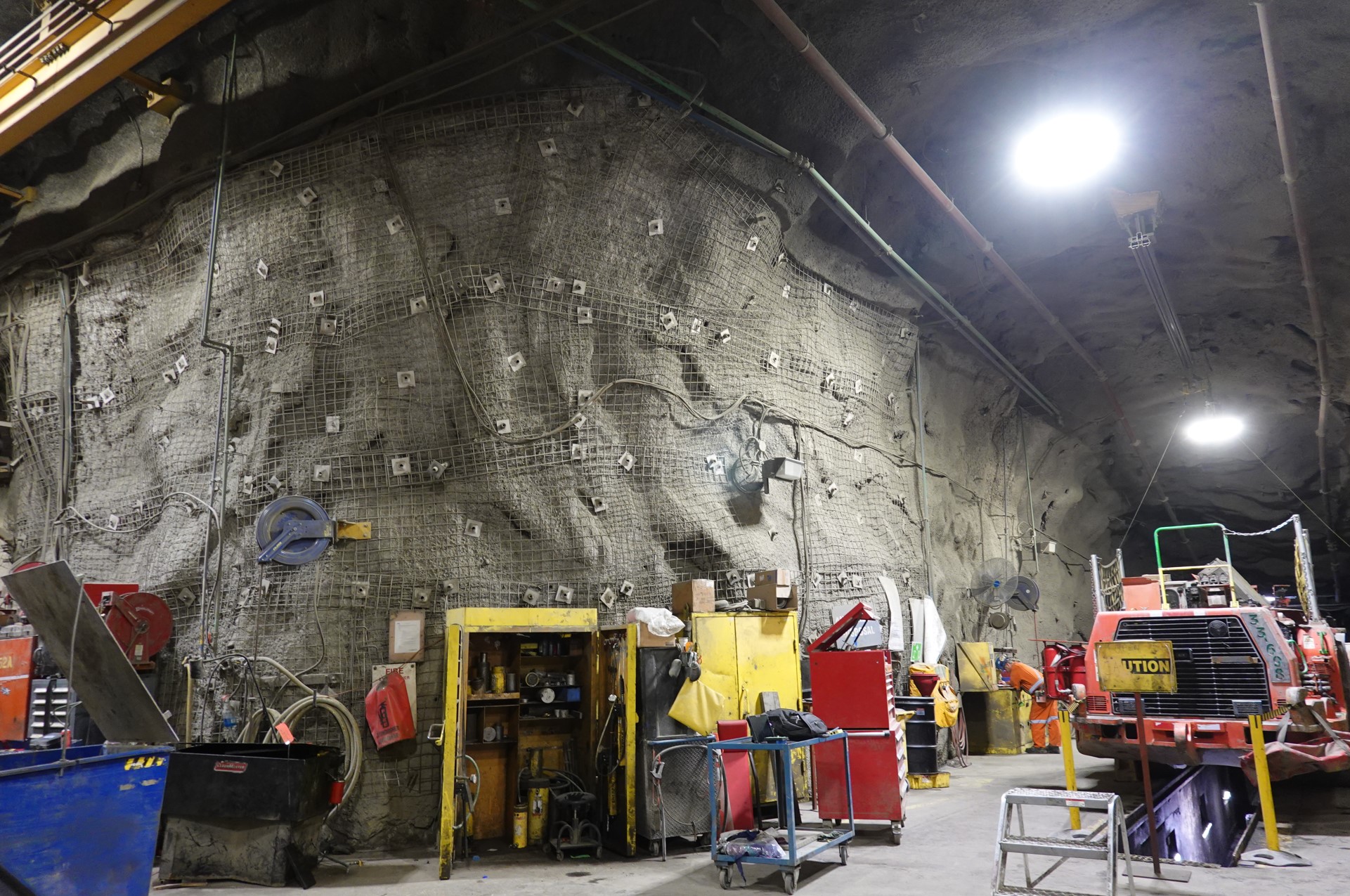
To execute these areas of focus, geotechnical engineers must first understand the likely failure modes and develop a geotechnical model that evolves as new information becomes available. This model underpins geotechnical input into mine design and planning, guides implementation of ground support and excavation strategies, and informs ongoing monitoring and optimisation.
When geotechnical practice is embedded, supported and understood, the whole operation becomes safer, more predictable and more productive.
An effective geotechnical programme is characterised by:
- Competent, supported people with a learning mindset
- Consistent geotechnical involvement in operational and planning decisions
- Sustainable coverage, including succession planning and reliable roster arrangements
- A positive culture that values the control of geotechnical risk
- Clear communication and shared understanding between geotechnical, operations and management
- Routine, disciplined monitoring and verification processes
A strong geotechnical programme is not just a technical function — it is a foundation of safe, efficient and productive underground mining.
Learn more at https://mine-mentor.com/