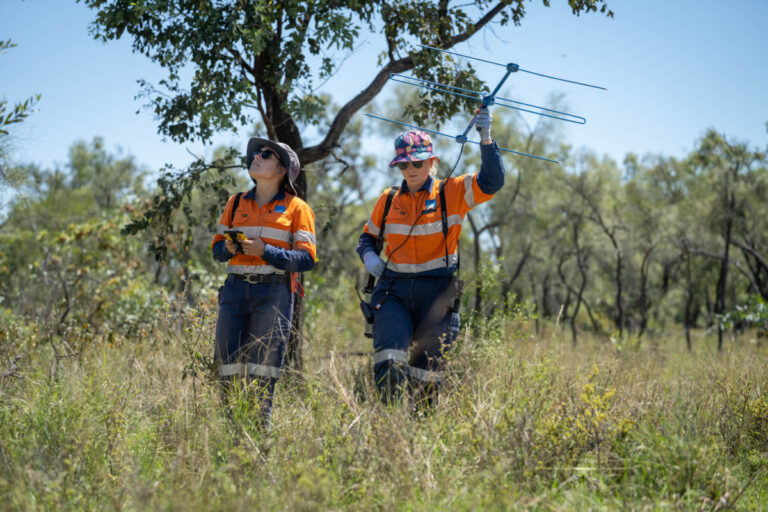
When Does it Make Sense to Bring Test & Tag In-House?
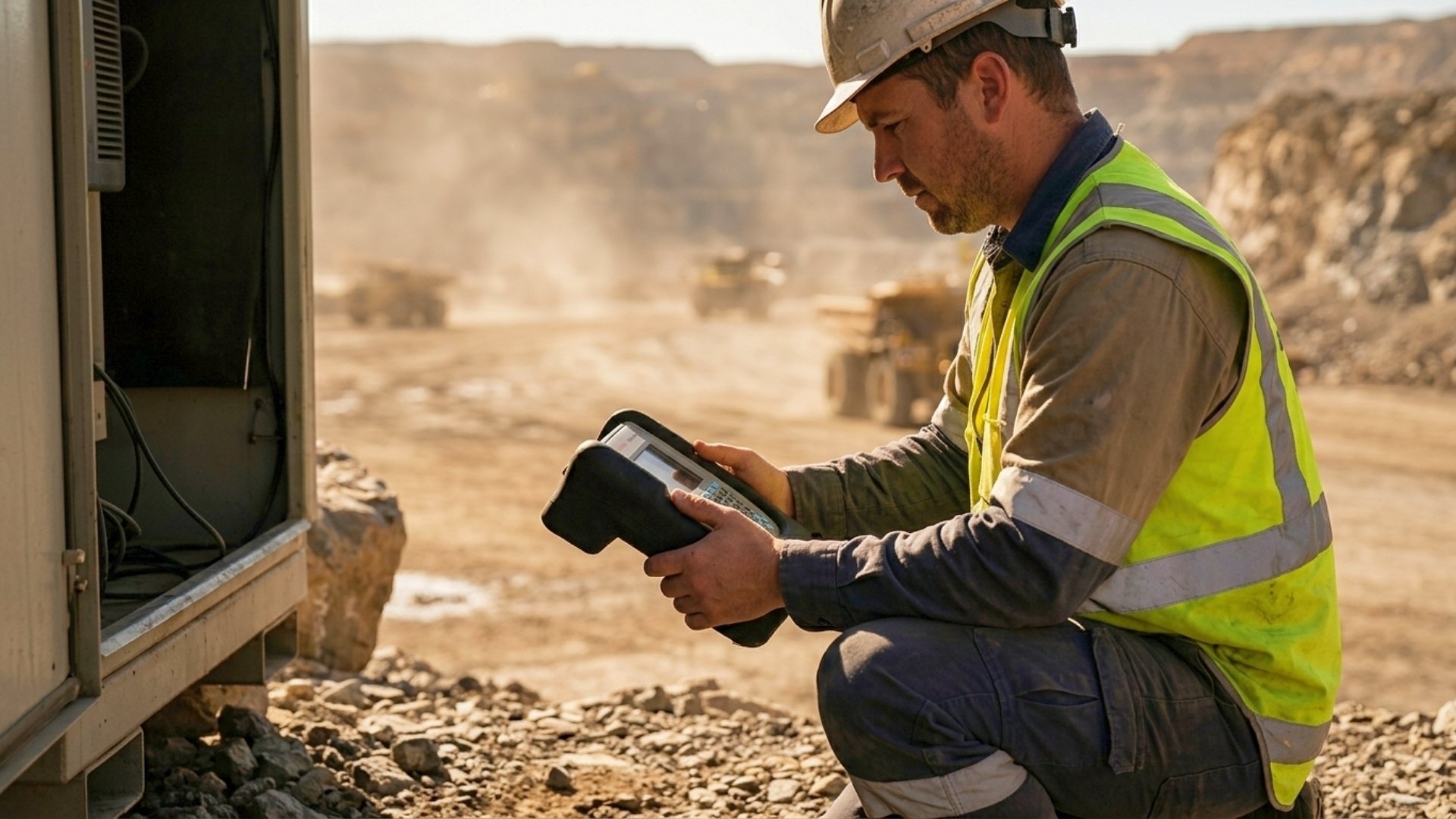
For many Australian businesses, test and tag has traditionally been something outsourced as needed. A contractor comes in, tests equipment, applies test tags, provides records, and the job is done.
But for businesses operating in mining, hire, construction, workshops, field services and other equipment-heavy industries, that model doesn’t always make commercial sense.
As equipment fleets grow, compliance expectations increase, and downtime becomes more expensive, more businesses are asking the same question: does it make more sense to bring test and tag in-house?
Here are a few practical questions worth asking.
1. How often are you testing equipment?
If your business only has a small number of electrical appliances requiring occasional inspection, outsourcing may still be the easiest option.
But if you’re regularly managing extension leads, portable electrical equipment, workshop tools, site-based equipment, mobile assets or hire gear, the equation can change quickly.
Frequent outsourcing often creates recurring service costs, scheduling delays, and less flexibility when urgent testing is needed.
Bringing electrical safety testing in-house can provide greater control over when equipment is tested, how quickly it’s returned to service, and how compliance is managed.
2. Is downtime costing your business?
This is often where the real cost sits.
The issue isn’t always the testing fee itself – it’s the operational downtime that comes with waiting.
In industries where equipment availability matters, delays can quickly become frustrating and expensive. A lead that can’t be used, a tool waiting for inspection, or a piece of equipment sitting idle all have a flow-on effect.
Having trained staff capable of carrying out test and tag work internally can significantly reduce those bottlenecks.
3. Do you have the right training?
This is one area where businesses can get caught out.
Buying a portable appliance tester doesn’t automatically create a compliant in-house solution.
Staff need to understand visual inspections, electrical safety testing methods, record keeping expectations, and how standards such as AS/NZS 3760 apply in practice.
Nationally Recognised test and tag training helps ensure businesses are building capability properly, rather than relying on assumptions or informal handovers.
4. Do you have the right equipment?
Not every portable appliance tester suits every business.
Some operations only need straightforward appliance testing. Others require data logging, tag printing, RCD testing, or equipment suited to higher-volume workflows.
Choosing the right test and tag machine matters just as much as training. Overbuying can waste budget. Underbuying can create frustration quickly.
The bigger picture
Bringing test and tag in-house won’t be the right move for every business.
But for organisations with regular test and tag requirements, equipment downtime concerns, or a desire for greater compliance control, it can make strong operational and commercial sense.
The key is doing it properly – with the right training, the right equipment, and a process that actually works for your business.