Engineering battery systems for the harsh realities of mining
In mining, a battery that works on paper may not work in the application.
Voltage and capacity are only the starting point. A battery may also need to withstand heat, vibration, dust and environmental exposure, communicate with the equipment around it, integrate with the charging architecture and perform reliably through the actual duty cycle of the machine.
For MI Battery Engineering, that is why engineering starts with understanding the application, not selecting the battery.
MI Battery engineering and technical lead Mark Beamish has spent decades developing battery systems for demanding applications across mining, defence, marine, oil and gas and specialised industrial equipment.
“The important part at the beginning is asking the right questions so we can understand the application in detail,” he said.
That means understanding the load and runtime, but also the charging requirements, communications, physical constraints, operating environment and how the battery needs to interact with the wider system.
When integration becomes an engineering challenge
A recent mining vehicle project demonstrates how quickly those considerations can change the engineering direction.
The customer initially wanted to integrate an imported battery into its vehicle platform as a cost-effective starting point. The battery itself was a capable general-market product. The challenge was that it had not been engineered for that particular vehicle or its operating environment.
As MI Battery Engineering worked through the application, the battery became only one part of a much larger engineering exercise.
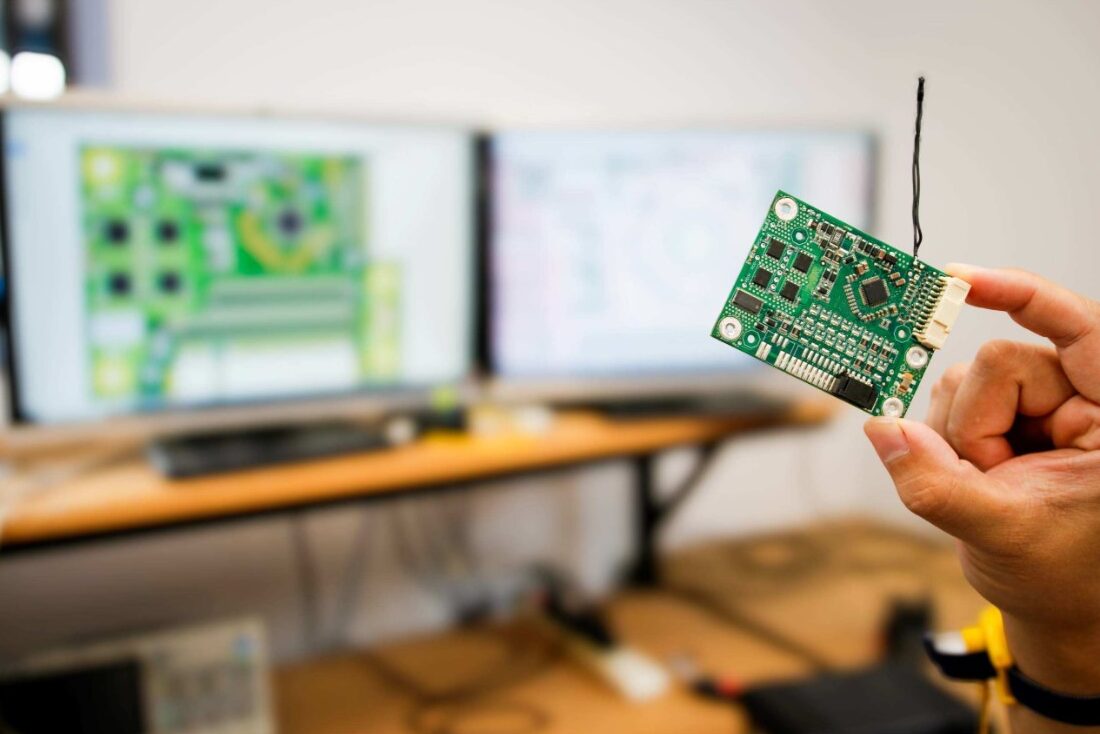
The Battery Management System needed to change so the battery could communicate with other elements of the vehicle and integrate correctly with its charging system. The enclosure needed to be redesigned to address thermal management. Vibration, dust and salt exposure introduced further mechanical and environmental requirements.
“We changed so much that there wasn’t a lot of the original battery left,” Mr Beamish said.
The customer ultimately reached a straightforward conclusion: “Let’s just make it here.”
What began as the integration of an imported battery had evolved into an Australian-engineered power system designed around the vehicle, its operating environment and the way the customer needed to operate and manage it.
For Mr Beamish, that evolution is an important part of custom engineering.
“On the engineering side, it’s a partnership,” he said.
“It’s a collaboration with us and the customer, and it evolves.”
From off-the-shelf to tailored systems
Importantly, custom engineering does not mean starting every project with the intention of designing a new battery.
Sometimes an existing product is the right solution. Sometimes it can be adapted. But when communications, charging, mechanical design, thermal behaviour and environmental requirements begin to influence one another, engineering the complete system around the application can become the more appropriate approach.
That is the distinction between supplying a battery and engineering a power solution: start with what the equipment needs to do, understand where it needs to perform and build the power system around those requirements.