Author: Hannah Winks

Meeka Metals begins ore sorting upgrade at Murchison
News
Meeka Metals begins ore sorting upgrade at Murchison
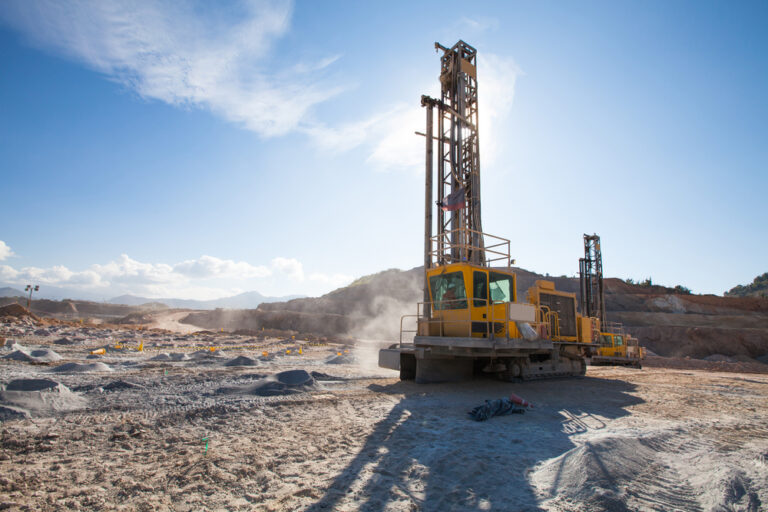
Meeka Metals (ASX: MEK) has commenced installation of an ore sorting facility at its Murchison gold project in WA, targeting increased processing capacity and higher gold production. The upgrade is expected to lift mill capacity by 200ktpa to 800kpta, resulting in a corresponding boost in gold production.  Ore sorting will be applied initially to underground material from the Andy Well deposit, separating higher-grade ore for immediate processing while lower-grade material is stockpiled for later treatment. Test work at Steinert’s facility in Bibra Lake found about 85% of contained gold could be sorted into about 50% of the rock mass, effectively doubling the head grade of Andy Well ore entering the mill. Meeka Metals managing director Tim Davidson says the upgrade represents a low-cost solution to increase production. “We expect this high-return, quick-payback investment to be operational in the September 2026 quarter providing additional processing capacity for ore from our open pits and our second underground mine at Turnberry, commencing in 2026,” he said. Civil works for the $6m upgrade have commenced, with equipment delivery and installation due to begin in the June 2026 quarter. According to the company, the installation offers a faster and lower-cost alternative to expanding the existing processing plant, which would require significantly higher capital investment and longer development timelines. The upgrade is expected to reduce processing costs per ounce, lower tailings volumes and reduce wear on plant equipment by removing waste material before milling. Meeka Metals said further test work is underway to assess the application of ore sorting across other deposits within the Murchison project.  
MinRes ships first ore from Lamb Creek
News
MinRes ships first ore from Lamb Creek
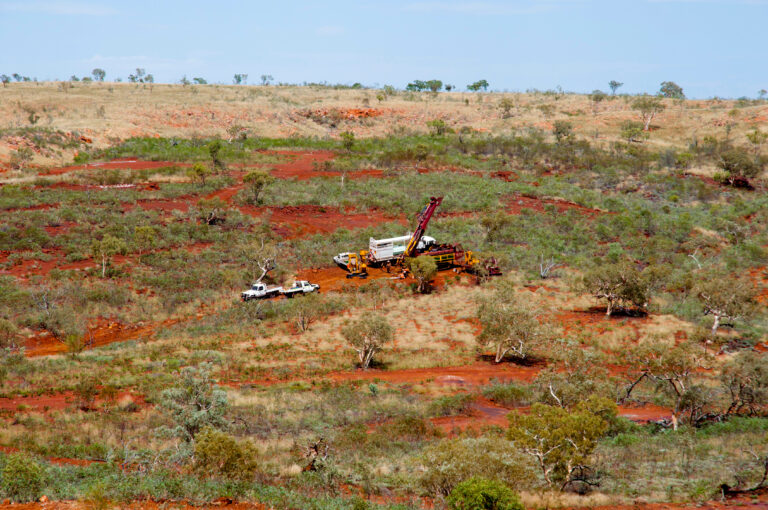
Mineral Resources (ASX: MIN) has delivered first ore on ship from its Lamb Creek iron ore project in WA’s Pilbara region. The milestone was reached three months after ground was broken at the site in December 2025. CSI Mining Services — a wholly owned subsidiary of MinRes has now commenced mining, processing and haulage at the site. Lamb Creek will be an open pit mine with a capacity of 7.5mtpa, strategically located just 50km from MinRes’ Iron Valley operation. Ore from both sites will be blended and hauled to Utah Point for export through the Port of Port Hedland. MinRes executive general manager iron ore and asset management group Joe Brown says the milestone highlights the company’s ability to rapidly develop and bring assets into production. “Safely achieving first ore on ship in such a short time since breaking ground is a remarkable feat and demonstrates MinRes’ significant in-house capability to bring projects to life quickly,” he said. Development of Lamb Creek also involves the planned wind-down of the current Wonmunna iron ore operation, with all Wonmunna-based staff set to transfer to Lamb Creek and no impact to jobs anticipated. MinRes acquired Wonmunna from the Australian Aboriginal Mining Corporation in FY21 as an undeveloped project and has since mined nine pits and exported more than 26mt of iron ore from the operation.  The Pilbara Hub has production guidance of 9-10mtpa for FY26. 
Metso expands lifecycle services model
News
Metso expands lifecycle services model
Metso has reported increased demand in its Life Cycle Services (LCS) offering for pumps as mining operators shift towards long-term service-based equipment models. Following the model’s introduction in 2025, the company has secured several small- and mid-sized multiyear contracts across Europe, Asia Pacific and the Americas.  In February, Metso also signed two five-year agreements covering the servicing of more than 100 slurry pumps for mining customers.  The aggregate value of the combined orders has not been?disclosed. LCS for pumps is Metso’s performance-based service model designed to improve equipment availability, extend component wear life and reduce total cost of ownership through long-term service agreements. Metso pump services vice president Roshan Kadanthode says the model reflects a broader shift in the mining sector away from transactional equipment purchases and towards lifecycle-focused service partnerships.   “Our customers want a partner who supports them throughout?the full lifecycle of their pumps,” he said.  “With LCS, we bring a?performance-based approach aligned with their operational and financial?targets, helping customers reduce downtime, improve efficiency, enhance safety, and secure reliable pumping performance?year-round.”? The company reports that the service model has measurable operational improvements include a 5-10% increase in pump availability and 15-25% extension in component wear life. Standardised maintenance practices and improved planning have also been associated with a 20-30% reduction in unplanned pump-related downtime.  Furthermore, improvements in energy and water efficiency were reported between 5-10%, alongside enhanced safety outcomes linked to a reduction in maintenance interventions and standardised servicing procedures.  Metso says its global service network — covering equipment delivery, repair, testing and recycling — underpins the rollout of the lifecycle service model across key mining regions. 
Fortescue removes high-risk rodenticides from operations
News
Fortescue removes high-risk rodenticides from operations
Fortescue has removed second-generation anticoagulant rodenticides (SGARS) from its operations, in a move to reduce risks to native wildlife, including threatened species such as the Northern Quoll.  The change was implemented in August 2025 with Fortescue transitioning to alternative rodent control methods including first generation rodenticides, which break down more quickly in the environment. Rodent management remains a requirement at mining operations to protect infrastructure and the health and safety of personnel.  SGARs are known to persist in the environment and can accumulate in animals that consume poisoned rodents, increasing the risk of secondary poisoning in predators and scavengers.  Fortescue approvals, communities and services director Rosli Wheelock said the decision was made following internal assessment of environmental risks.  “We operate in some of Australia’s most important natural habitats, and we have a responsibility to look after them,” he said. “When we saw these products could put native wildlife at risk, we made the decision to stop using them and have moved to safer alternatives.” Recent studies have identified anticoagulant rodenticides in a range of Australian wildlife species, raising broader concerns about their environmental impact. Edith Cowan University Associate Professor Robert Davis says second-generation rodenticides are highly persistent and can accumulate through the food chain. “Reducing their use where practical can help lower the risk of secondary poisoning for native predators and scavengers,” he said. Fortescue says it will continue to monitor and review rodent management practices as part of its broader environmental management program. 
Monash research flags overlooked step in battery recycling
News
Monash research flags overlooked step in battery recycling
New research from Monash University has identified the pre-treatment stage of lithium-ion battery recycling as a significant contributor to both environmental impact and material recovery efficiency.  The study published in Nature Sustainability found that pre-treatment can account for 16-38% of the environmental impact of lithium-ion battery recycling, accounting for significant material losses, with outcomes varying by battery type and processing route.  Pre-treatment is the first processing step that producing “black mass” from which valuable materials such as lithium, nickel and cobalt can be extracted. The study suggests that this step is often overlooked in recycling strategies.  The study by the Department of Civil and Environmental Engineering compared three main industrial approaches — mechanical, thermal and chemical pre-treatments — for environmental performance, recovery efficiency and operational complexity.  Department of Civil and Environmental Engineering deputy head and Professor Victor Chang says the findings indicate that decisions made during the early stages of recycling can influence both system efficiency and long-term resource recovery.  “Our work highlights an important aspect of the process — the pre-treatment stage. This step is often overlooked, but it can be critical in determining the efficiency, safety, and overall effectiveness of downstream recycling processes” he said.  According to Monash University, the findings could act as critical guidance for policymakers and industry as countries build new battery systems.  Professor Chang says lithium-ion battery recycling is not just a technical challenge but a system design challenge.  “While many countries are planning to invest in and scale up battery recycling industries, our work highlights an important aspect of the process” he said.  “Pre-treatment shapes both recovery efficiency and environmental outcomes. Decisions made at this stage will affect system performance for decades, so it’s vital that they are guided by robust evidence.” 
Back to of the page