High Court rejects Mount Pleasant coal expansion appeal
The High Court of Australia has dismissed MACH Energy’s appeal over its Mount Pleasant coal mine expansion, finding that the Independent Planning Commission (IPC) failed to consider conditions to minimise the project’s greenhouse gas emissions.
In what environmental campaigners call the first climate change case to reach Australia’s highest court, the court ruled in favour of a Hunter Valley community group, finding that the IPC had failed to consider imposing conditions to minimise to the greatest extent practicable all greenhouse gas emissions, particularly Scope 3 emissions.
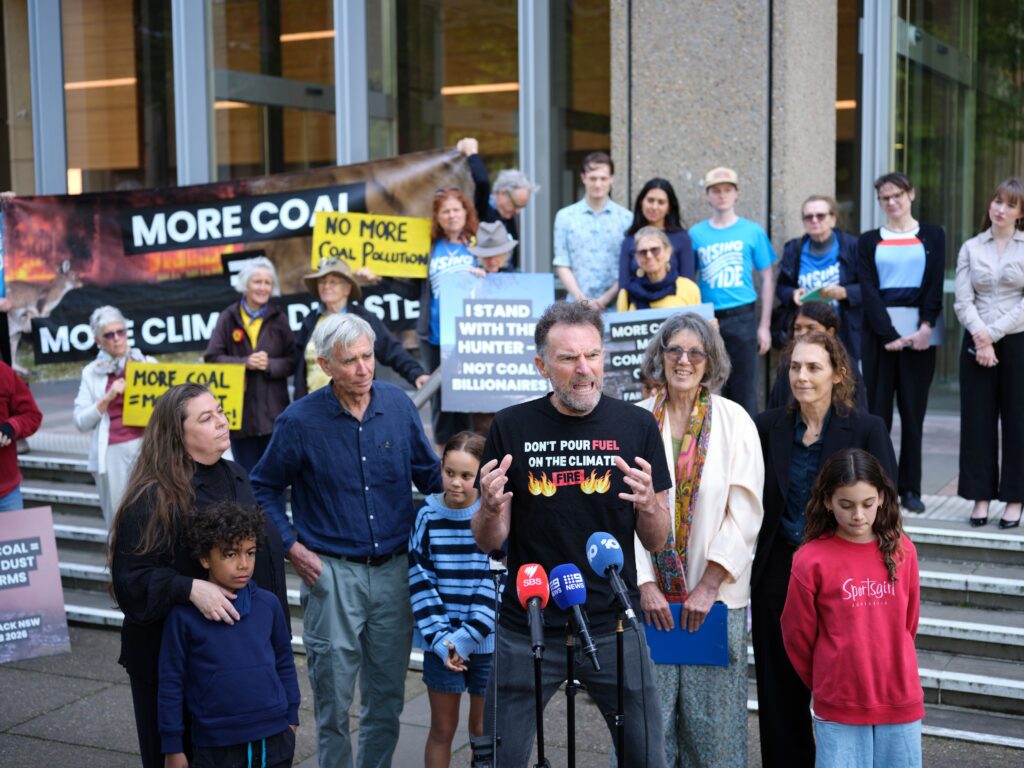
These downstream emissions largely arise when the mine’s coal is burned overseas and accounted for 98% of the project’s predicted greenhouse gas emissions.
The court unanimously found the IPC had complied with its separate obligation to consider the development’s likely local impacts.
The Mount Pleasant optimisation project was granted approval with conditions by the IPC in 2022 and aimed to increase extraction, handling and processing of up to 21mtpa of coal, up from the current 10.5mtpa, extending the mine’s life through to 2048.
The judgment means the previously granted approval remains invalid, with the High Court dismissing MACH Energy’s appeal against the NSW Court of Appeal’s decision that overturned the approval.
The Minerals Council of Australia (MCA) says the project has been subject to numerous legal appeals since receiving approval in 2022.
MCA chief executive Tania Constable says the High Court’s decision is a further blow to Australia’s prospects of meeting continued demand for Australian high-quality coal from global customers.
“Developing a coal mine in Australia is already difficult enough because of long approval times, lawfare by activists and high royalties and other taxes,” she said.
“This decision sends a very negative signal to Australia’s trade and investment partners about sovereign risk in this market.”
The DAMS HEG community group has fought the case through three levels of court since the approval was initially granted in 2022.
DAMS HEG president Wendy Wales says lawmakers now need to turn their full attention to finding unity of purpose in explaining and addressing climate change.
“It is not in our interests that our coal is burned anywhere,” she said.
“[The] High Court has said what we have always known: we cannot dig up coal, ship it overseas, watch it drive climate change, and then pretend the consequences have nothing to do with us and won’t be felt by us.”
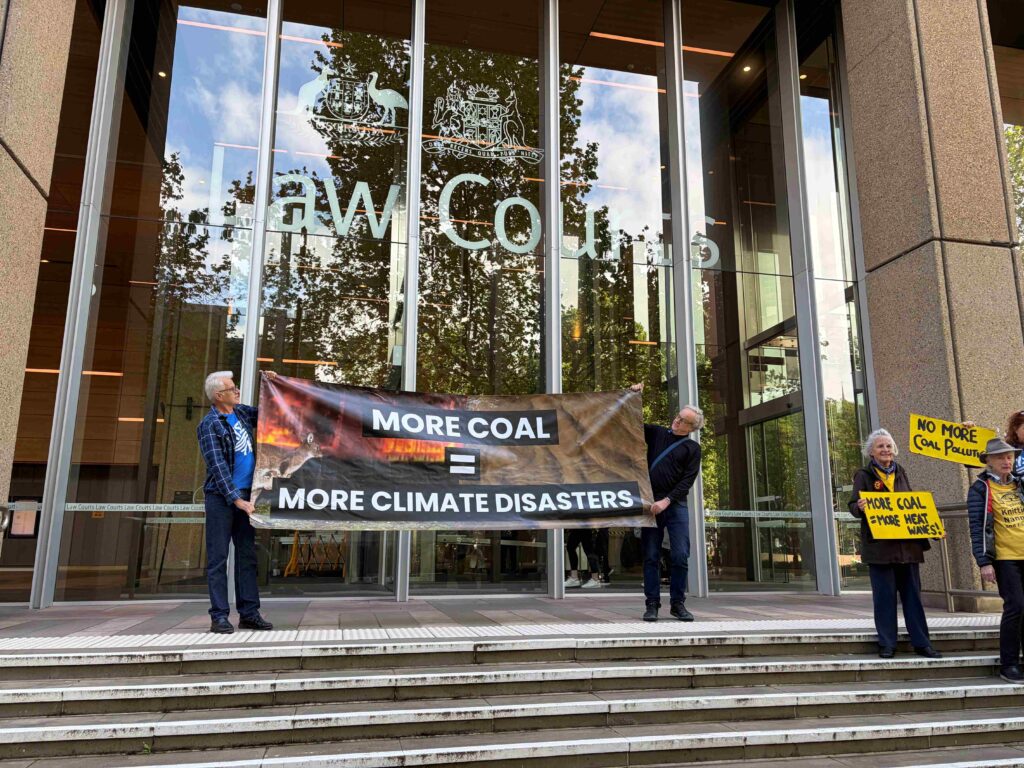
According to the Climate Media Centre, the ruling has implications for 17 coal proposals currently in the NSW planning pipeline and could influence future climate litigation elsewhere in Australia.
Johnson Legal principal lawyer Anita O’Hart says this is a historic ruling for Australian environmental law and for the communities who have been fighting for accountability in the fossil fuel approvals process.
“The implications extend well beyond Mount Pleasant,” she said.
“This ruling will be applied by courts and planning authorities across Australia, and it will be studied internationally as one of the most significant domestic climate law decisions in the world.”
In late September, the NSW IPC approved major extension plans for the Hunter Valley Operations (HVO) coal mine, allowing mining to continue until 2045.
The continuation project will allow the operators Yancoal and Glencore to mine about 430mt of run-of-mine coal across HVO’s North and South sites, which have been approved to operate until 2045 and 2042 respectively.
The operations were originally set to close in June 2025 but were granted an 18-month extension by the NSW Government in April 2025, allowing operations to continue until December of this year while the continuation proposal was assessed.
In its decision, the IPC acknowledged the project’s estimated 809mt of greenhouse gas emissions from local mining operations and overseas coal combustion would contribute to climate change impacts across the Hunter Valley and globally.
The approval includes a requirement for a Scope 3 management plan demonstrating how coal exports will be limited to jurisdictions with emissions policies consistent with the Paris Agreement’s goals.
The HVO project is still awaiting Federal Government environmental approval.