The new golden age
By Nicholas Frappell
Gold is a commodity, a currency and a symbol of worth whose very sound is embedded within diverse languages around the planet. It signifies not only wealth but also trust and resilience. Gold exists within an industry that feels as old as time itself, yet this very year yields fresh insights.
We are all aware of the need for critical minerals, with qualities that are vital for emerging technologies and strategic needs. But their supply chains are compromised and the incentive to mine is rendered difficult by the absence of market signals.
Gold is described by Geoscience Australia as a vital enabler, being a metal of high value and very high liquidity. It encourages producers to mine, and in doing so, to extract minerals co-located with gold that might otherwise remain stranded and unavailable in the volumes required. Gold is a powerful catalyst for Australia’s third mining boom, driven by the unique strategic and industrial needs of the century we are in.
Investors want the security of gold, along with the diversification that comes with an asset that has no liability. No government can traduce gold by issuing more of it by decree, its value is not dependent on a government’s ability to raise revenue, nor is its future value dependent on the various risks inherent in private enterprise. This is well understood, however, a vital further step is knowing the provenance of your asset.
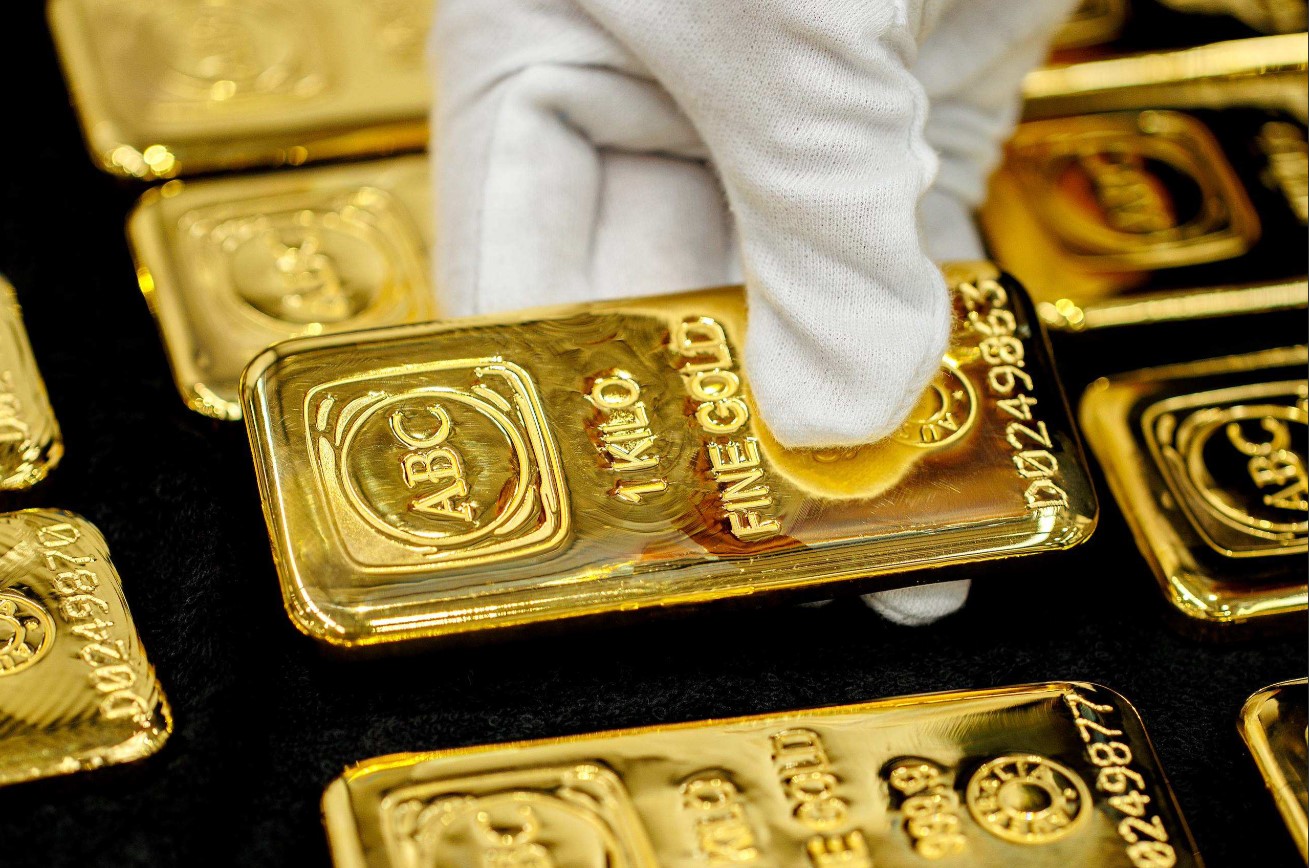
ABC Refinery has developed a technological solution to this, ProvCheck, which gives complete supply-chain trust to gold investors and consumers. Insight into supply chain security is a differentiator for Australian-sourced gold, one we believe will only matter more as trading flows and alliances become increasingly fractured and gold users rightly challenge where this vital element was sourced and refined.
This year gold reached all-time highs. I won’t try to predict gold’s price in the future (for a change) but the sharp decline in prices since February has been a reminder that euphoria is a dangerous emotion, particularly in markets, and that participants of all kinds need to “look to windward” when it comes to risk. This always sounds like wisdom after the event, but as former British Prime Minister Harold MacMillan famously said, “Events, dear boy, events,” are the very unplanned and unhoped-for things that we all must try to accommodate.
Gold fell at the outbreak of war in the Persian Gulf back in the distant 1990s, and although the mechanism is different this time — beyond the market cliché of “buy the rumour, sell the fact” — what happened to the gold price next was a good reminder that gold is definitely a safe haven, but not always the safe haven. That much has changed, perhaps mostly the reaction function of central banks when they perceive an inflationary shock waiting in the wings.
Do the conditions exist for a continuation of gold’s positive trend? Quite likely yes. The massive stock of debt, the way almost all governments are looking in the other direction when it comes to (non-existent) fiscal discipline and the need to diversify assets — paired with uncertainty of all kinds — help to make a robust case for gold.
A key notion that the gold industry would benefit from is that, even with recent high prices, gold is not merely a “nice to have” for Australia and the benefits that accrue to all of us. Gold mining accounts for about one in three dollars in exploration expenditure in this country.
It might be easy to think that this is some kind of perpetual motion machine for prosperity. However, the ease of permitting policy settings in the context of wages and taxes, plus support for training and education, all matter to the future success of the gold industry. The vital interaction of gold with aforementioned critical minerals will drive the next wave of growth in Australian mining. That in turn will have real, measurable impacts on the nation’s jobs and tax base.
The right actions taken today can ensure that all Australians benefit from success in our industry tomorrow.