The Tasmanian Government will establish a $20m Recovery Fund for Regional Resilience using proceeds from its investment in Group 6 Metals (ASX: G6M), after a $10m loan to the company’s Dolphin tungsten mine became a shareholding valued at more than $75m.
The government provided the loan in 2023 to support the mine’s reopening on King Island before converting the debt into an equity stake in 2025 as part of a broader financial restructuring. The government plans to progressively sell down its stake to fund regional initiatives and reduce state debt.
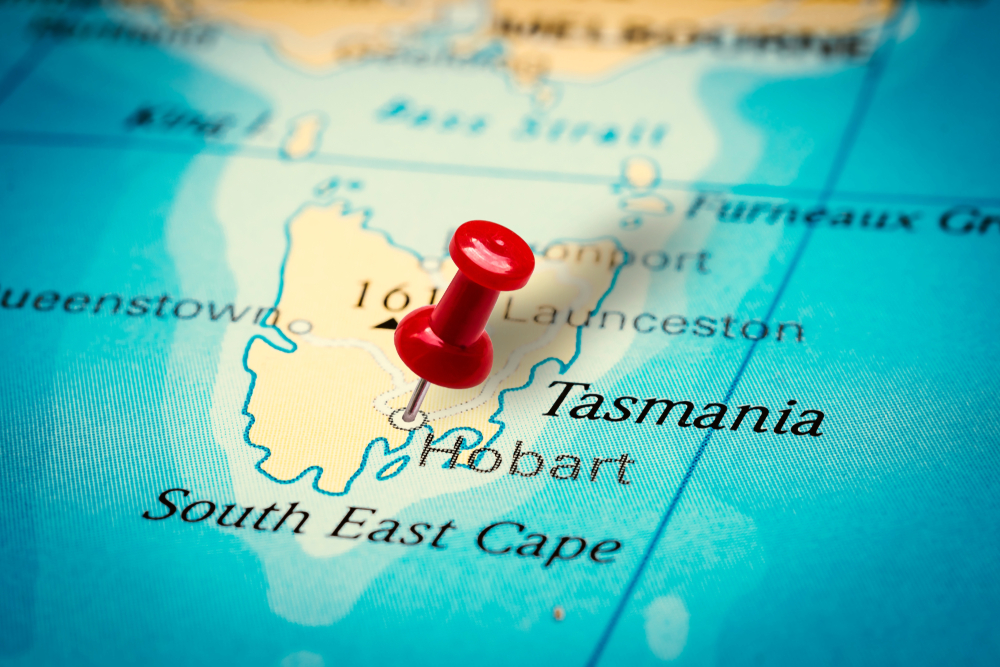
The fund aims to support communities facing economic disruption by helping regions respond to major industrial changes, employer closures, workforce impacts and other economic disruptions. The government says the fund will support economic diversification, workforce transition, investment attraction and community-led initiatives.
Tasmanian Premier Jeremy Rockliff says the fund is about transforming today’s investment success into tomorrow’s regional resilience.
“Our regional communities are at the heart of Tasmania’s economic success and they deserve the confidence that comes from knowing support will be there when it is needed most,” he said.
“The strong investment made by the Tasmanian Government to support the future of the King Island tungsten mine has allowed us to reinvest a significant portion of the windfall back into the very regions that helped generate that success.
“This fund is about transforming a one-off financial return into an enduring asset for regional Tasmania.”
The government has also committed $5m from the investment windfall towards upgrading the King Island District School, bringing the combined regional commitments to $25m.
Mr Rockliff said about $50m of the proceeds was expected to go towards reducing Tasmania’s debt, although the final return will depend on the value realised from the planned share sales.
Tasmania’s 2025-26 Preliminary Outcomes Report recorded net debt of $6.5b at June 30, 2026, about $310m below the forecast in the 2026-27 State Budget. However, net debt remained almost $1.5b higher than a year earlier.
Mr Rockliff says the fund will benefit Tasmania’s future generations by preserving capital while creating a long-term asset that can grow over time.
“The investment in King Island and the establishment of the Recovery Fund for Regional Resilience represents approximately $25m in support for Tasmania’s regions,” he said.
“These are prudent measures that allow us to build stronger regional communities, prepare for future challenges and invest in the future of every Tasmanian.”