

















Nuton technology produces first copper
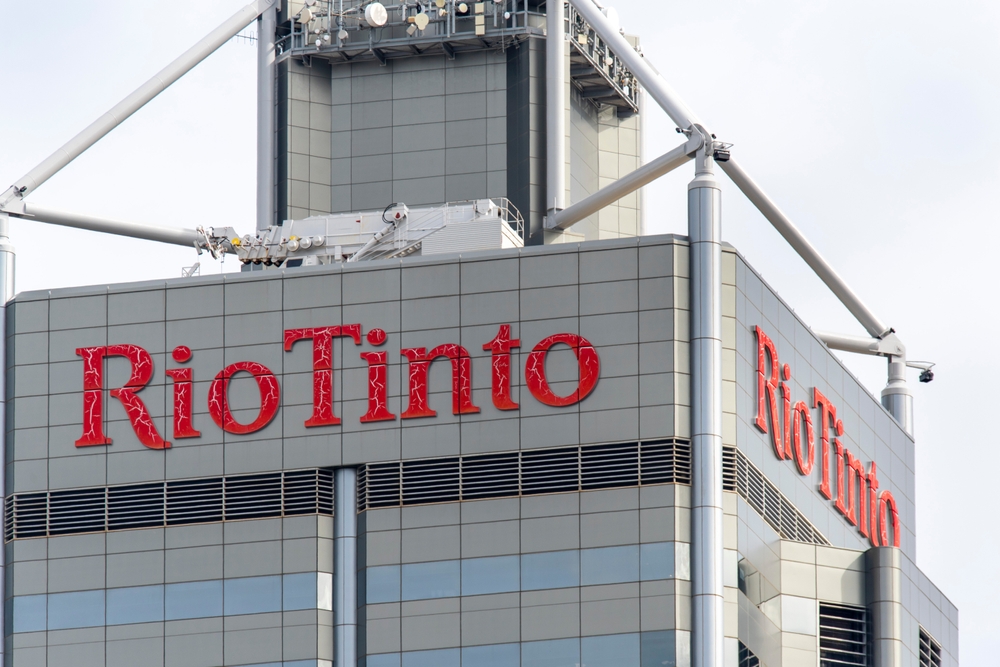
Rio Tinto (ASX: RIO) has successfully produced first copper at the Johnson Camp mine in Arizona, US, using its innovative bacteria and acid driven Nuton technology.
After more than 30 years of research and development, the first copper cathode using Rio Tinto’s proprietary bioleaching technology, which relies on naturally occurring microorganisms to extract copper from primary sulphide ores, was produced at Gunnison Copper’s mine last month.
Extracting copper from primary sulphide ores is traditionally a difficult process. Using microbes, grown on a large scale in Nuton’s proprietary bioreactors, to accelerate the oxidation of minerals in the crushed ore heap, generating heat and enabling copper to dissolve into a leach solution, which is then processed into 99.99% pure copper cathode.
Processing copper ore with Nuton eliminates the need for concentration, smelting and refining, shortening supply chains and delivering copper cathode at the mine gate. It achieves recovery rates of up to 85% from primary sulphides — the most abundant copper bearing ores in the world.
Rio Tinto copper chief executive Katie Jackson says this is a breakthrough achievement for the Nuton technology, which is proving that cleaner, faster and more efficient copper production is possible at an industrial scale.
“In an industry where projects typically take about 18 years to move from concept to production, Nuton has now proven its ability to do this in just 18 months,” she said.
“Nuton has designed a modular system deployed as a technology package integrating biology, chemistry, engineering and digital tools, allowing it to be rapidly scaled and tailored to different ore bodies, unlocking resources that have historically been considered uneconomic or challenging.
“We are actively partnering on projects in North and South America to assess the potential for future deployment at additional sites in the coming years.”
Nuton can also extend mine life and maximise resource use by extracting value from ores that would otherwise be classified as waste.
Its environmental performance is expected to exceed conventional copper processing technologies with up to 80% less water usage — water intensity is anticipated to be 71L/kg, compared to the global average industry estimate of about 130L/kg.
The technology is expected to produce up to 60% lower carbon emissions than the traditional concentrator route. Through the purchase of 134,000 Green-e Energy certified renewable energy certificates, Nuton ensures 100% of the site’s electricity is matched by renewable sources.
The copper produced is anticipated to have a mine-to-metal carbon footprint of .82kg carbon dioxide equivalent per kilogram of copper — the lowest in the US and substantially lower than the projected 2026 global average of 3.4kg carbon dioxide equivalent per kilogram of copper among operating mines.
The deployment at Johnson Camp involves the design and delivery of a technology package for a heap leach pad targeting production of about 30,000t of refined copper over a four-year demonstration period.
Gunnison Copper chief executive Stephen Twyerould says the first production of Nuton copper at Johnson Camp is the culmination of exceptional teamwork.
“Achieving this level of performance in such a short time frame shows what is possible when innovation, operational excellence and a shared vision come together,” he said.
“With Nuton copper now entering the US supply chain, this milestone underscores the critical role we can play in strengthening domestic access to cleaner, low-carbon copper.”
While this milestone confirms Nuton’s engineering and operational viability, the next phase will focus on validating long-term technical performance — including multi-year testing, independent third-party verification and internal review by Rio Tinto to ensure consistent recovery rates and environmental performance.